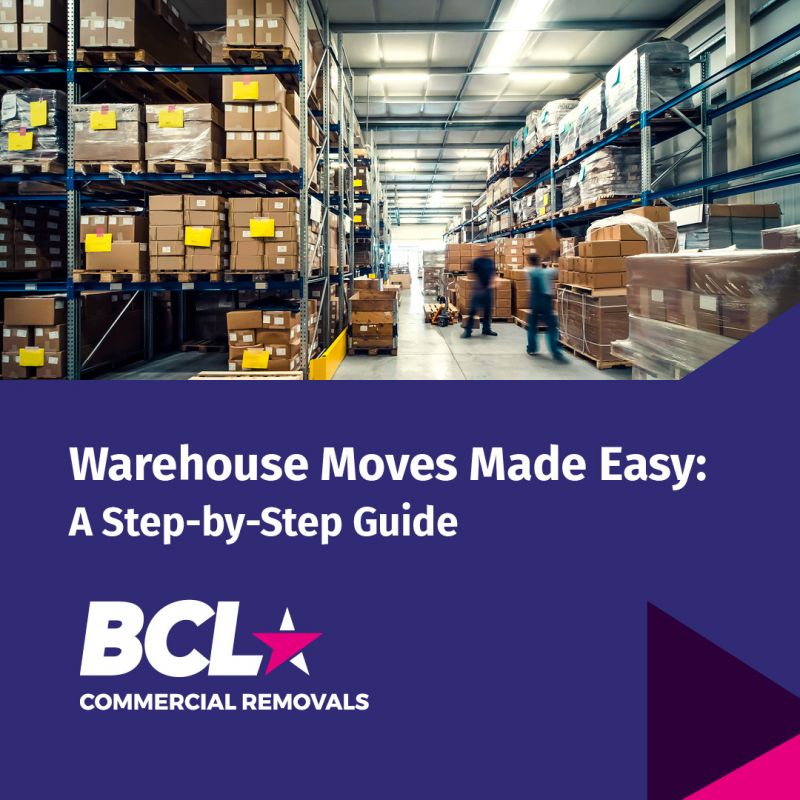
How to Relocate a Warehouse with Minimal Downtime
Wed 5th August 2026Relocating a warehouse is about much more than transporting stock from one building to another. A successful warehouse move requires careful planning, clear communication and expert coordination to keep disruption to a minimum. Every hour of downtime can affect customer orders, productivity and revenue, making preparation essential.
Whether you're moving to larger premises to support business growth, consolidating multiple sites or relocating to improve efficiency, taking a structured approach will help ensure the transition is as smooth as possible.
As a Member of the British Association of Removers (BAR), we are proud to help businesses across the UK relocate warehouses, offices and commercial premises with minimal disruption. We asked our commercial and warehouse removals specialists in Stafford and Staffordshire for their advice, so here's our step-by-step guide to planning a successful warehouse move.
Why Careful Warehouse Relocation Planning Matters
Unlike a typical office move, warehouse relocations involve far more than desks and filing cabinets. Large volumes of stock, heavy machinery, warehouse racking, forklifts, IT equipment and specialist storage systems all need to be relocated safely and efficiently.
Without proper planning, businesses can experience unnecessary downtime, misplaced inventory, delayed customer deliveries and costly operational disruption. A well-organised relocation plan reduces these risks, helping your team get back to normal operations as quickly as possible.
The earlier planning begins, the more opportunities you'll have to identify potential challenges, streamline the move and avoid expensive last-minute decisions.
Step 1: Carry Out a Full Warehouse Assessment
Before packing begins, conduct a complete assessment of your warehouse. Create an inventory of stock, shelving, machinery, office furniture and equipment.
This is an excellent opportunity to identify:
-
Obsolete or damaged stock
-
Equipment that requires servicing or replacement
-
Items that no longer need to be moved
-
Surplus furniture or storage systems
Reducing the amount you need to relocate can save both time and transportation costs while giving your new warehouse a cleaner, more organised start.
Step 2: Create a Detailed Warehouse Relocation Plan
A successful warehouse move doesn't happen by chance. Develop a realistic project timeline that covers every stage of the relocation.
Your plan should include:
-
Packing schedules
-
Racking dismantling
-
Machinery relocation
-
IT and communications
-
Transport logistics
-
Installation at the new premises
-
Operational testing
-
Staff responsibilities
Setting clear milestones helps everyone involved understand their role and keeps the project on schedule.
Step 3: Minimise Business Downtime
One of the biggest priorities during any warehouse relocation is keeping your business operating wherever possible.
Consider scheduling the move during quieter trading periods, weekends or bank holidays if practical. Some businesses benefit from a phased relocation, moving departments or stock in stages rather than shutting down completely.
Keeping fast-moving inventory accessible for as long as possible can also help maintain customer service throughout the transition.
Step 4: Choose an Experienced Commercial Removals Company
Warehouse relocations require specialist knowledge, equipment and vehicles. Choosing an experienced commercial removals company can significantly reduce both risk and downtime.
Professional warehouse movers can assist with:
-
Dismantling and rebuilding warehouse racking
-
Transporting heavy machinery
-
Handling high-value stock
-
Coordinating phased relocations
-
Managing complex logistics
Working with experienced professionals allows your own staff to remain focused on maintaining day-to-day business operations wherever possible.
Step 5: Safely Relocate Warehouse Equipment and Machinery
Forklifts, pallet trucks, conveyors and other heavy equipment require careful handling throughout the move.
Some machinery may need to be disconnected, dismantled or prepared by specialist engineers before transportation. It's important to confirm that lifting equipment, suitable vehicles and experienced operators are available before moving day.
Planning these requirements well in advance helps prevent delays once the relocation begins.
Step 6: Prioritise Health and Safety
Health and safety should remain a priority throughout every stage of the warehouse move.
Carry out appropriate risk assessments and ensure all employees understand safe working procedures during packing, loading and unloading. Clearly mark pedestrian routes, loading areas and restricted zones while machinery is being relocated.
Providing appropriate personal protective equipment (PPE) and maintaining good housekeeping throughout the move can help reduce the risk of accidents.
-
Read more about how to relocate a warehouse without losing your grip on safety.
Step 7: Keep Stock Organised Throughout the Move
Poor organisation during a warehouse relocation can lead to misplaced inventory and lengthy delays once you arrive at the new premises.
Clear labelling makes a significant difference.
Consider:
-
Numbering shelving bays
-
Labelling pallets by destination aisle
-
Colour-coding departments
-
Photographing racking layouts before dismantling
-
Using barcode or inventory management systems where possible
The more organised your inventory is before the move, the faster your warehouse can become fully operational afterwards.
Step 8: Prepare the New Warehouse Before Arrival
Where possible, ensure the new premises are ready before the first delivery arrives.
This includes confirming:
-
Warehouse racking locations
-
Floor markings
-
Utilities
-
Internet connectivity
-
Security systems
-
Fire safety equipment
-
Staff facilities
Having everything prepared allows stock and equipment to be positioned immediately rather than stored temporarily while work is completed.
Step 9: Test Operations Before Returning to Business as Usual
Before resuming full operations, thoroughly test your new warehouse.
Check that:
-
Machinery operates correctly
-
IT systems are functioning
-
Stock locations match inventory records
-
Loading bays work efficiently
-
Staff can safely navigate the warehouse
Identifying and resolving minor issues early helps avoid larger operational problems once business returns to full capacity.
Step 10: Keep Everyone Informed
Communication is often overlooked during warehouse relocations, yet it plays an important role in keeping everything running smoothly.
Keep employees updated throughout the project and let suppliers, customers and delivery partners know about any temporary changes to operating hours or delivery schedules.
Regular communication helps manage expectations and reduces unnecessary disruption.
Common Warehouse Relocation Mistakes to Avoid
Even well-planned warehouse moves can encounter problems if important details are overlooked. Some of the most common mistakes include:
-
Leaving planning until the last minute.
-
Moving outdated or unnecessary stock.
-
Forgetting to coordinate IT systems and communications.
-
Labelling inventory inconsistently.
-
Underestimating the time required to dismantle and rebuild warehouse racking.
-
Failing to test machinery before reopening.
Avoiding these common pitfalls can save valuable time, reduce costs and help your warehouse return to full productivity more quickly.
Frequently Asked Questions
How long does a warehouse move take?
Every warehouse is different. The timescale depends on factors such as the size of the premises, the volume of stock, the amount of equipment being relocated and whether the move is completed in phases. Planning well in advance helps keep the project on schedule.
Can warehouse operations continue during a relocation?
In many cases, yes. A phased warehouse move allows some operations to continue while other areas are relocated. Careful planning can help minimise disruption to customers and suppliers.
Who dismantles warehouse racking?
This depends on the relocation project. Many commercial removals specialists can coordinate the dismantling, transportation and reinstallation of warehouse racking as part of a complete warehouse move.
What's the best time to relocate a warehouse?
Many businesses choose quieter trading periods, weekends or holiday shutdowns to reduce disruption. The best timing will depend on your operational requirements and customer demand.
How can I minimise downtime during a warehouse move?
Early planning, organised inventory management, clear communication and working with experienced commercial removals specialists are some of the most effective ways to reduce downtime and keep your business running smoothly.
Planning a Successful Warehouse Move
A warehouse relocation can seem like a daunting project, but with careful planning and the right support, it doesn't have to disrupt your business.
By auditing your inventory, creating a detailed relocation plan, prioritising health and safety, organising stock effectively and working with experienced commercial movers, you can significantly reduce downtime and help your new warehouse become operational as quickly as possible.
If you're planning a warehouse or office move, BCL Commercial Removals has the experience and specialist knowledge to help every stage of your commercial relocation run smoothly.